Choosing the Best Ophthalmology EMR Software for Your Clinic
Implementing an Electronic Medical Record (EMR) system is a significant milestone for any eye care practice. However, generic EMR systems often fail to meet the unique, highly visual, and equipment-heavy needs of ophthalmologists. To drive genuine efficiency and clinical excellence, specialty-specific Ophthalmology EMR software is essential.
Why Specialty-Specific EMR Matters
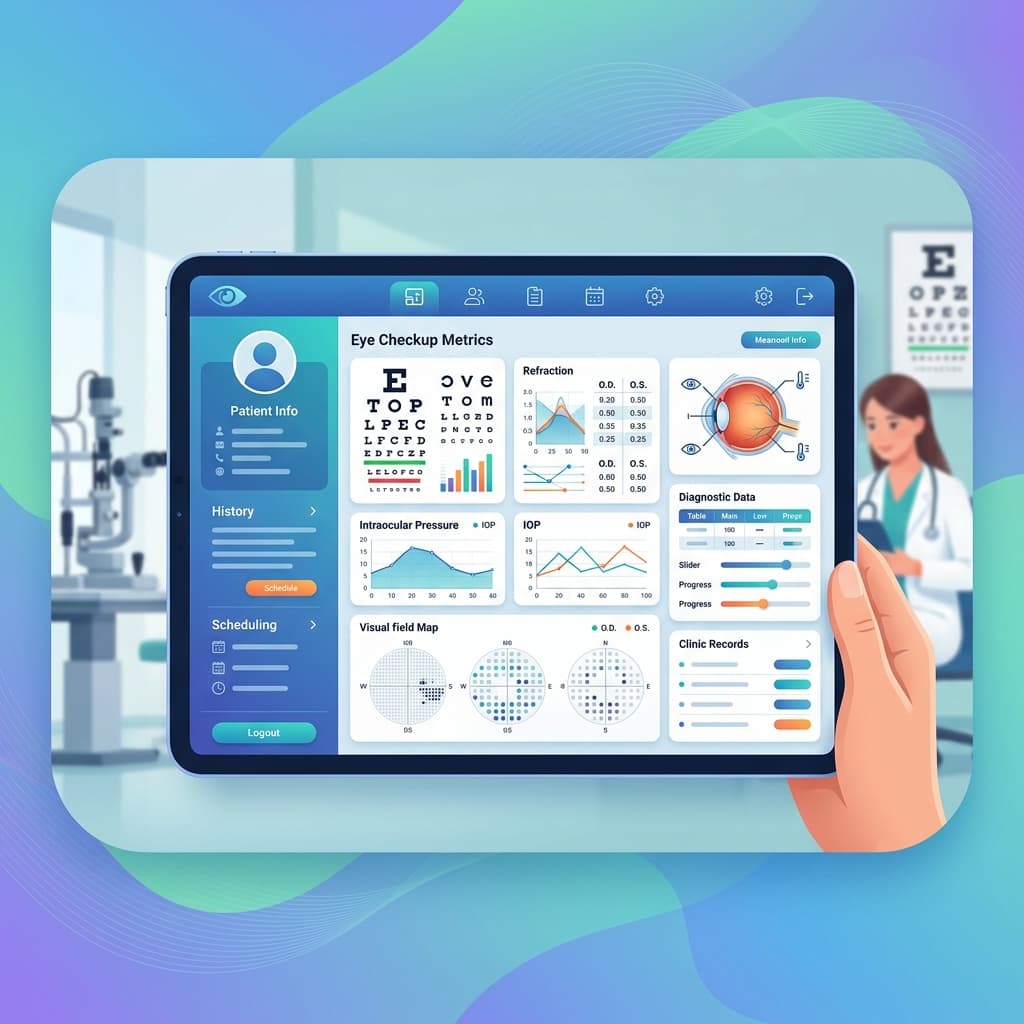
Ophthalmology relies heavily on visual data, rapid progression mapping, and device integration. A generic text-heavy EMR slows down workflows. An ophthalmology-specific EMR matches the layout of an eye examination, offering pre-configured templates for cataracts, glaucoma, cornea, and retina checkups. Visual drawing tools are integrated, enabling doctors to annotate eye structures directly on the screen.
Key Features to Look For
- Equipment Integration: Your EMR must seamlessly import data and images from diagnostic equipment such as autorefractors, lensmeters, OCT scanners, and visual field analyzers.
- Specialty Templates: Look for pre-built examination workflows tailored for subspecialties like pediatrics, glaucoma, and retina clinics.
- Drawing & Annotation Tools: Digital eye templates that allow intuitive drawing of lesions, tears, or cataract densities directly on dynamic diagrams.
- Fast Examination Flow: One-click summaries and quick-entry screens that reduce charting time during busy clinic hours.
Conclusion
By choosing an EMR specifically designed for ophthalmology, eye clinics can ensure high data purity, streamline patient visits, and enable better collaboration among clinical staff. YARAGO EMR delivers this depth of integration, empowering ophthalmologists to focus on delivering superior care.